
Introduction
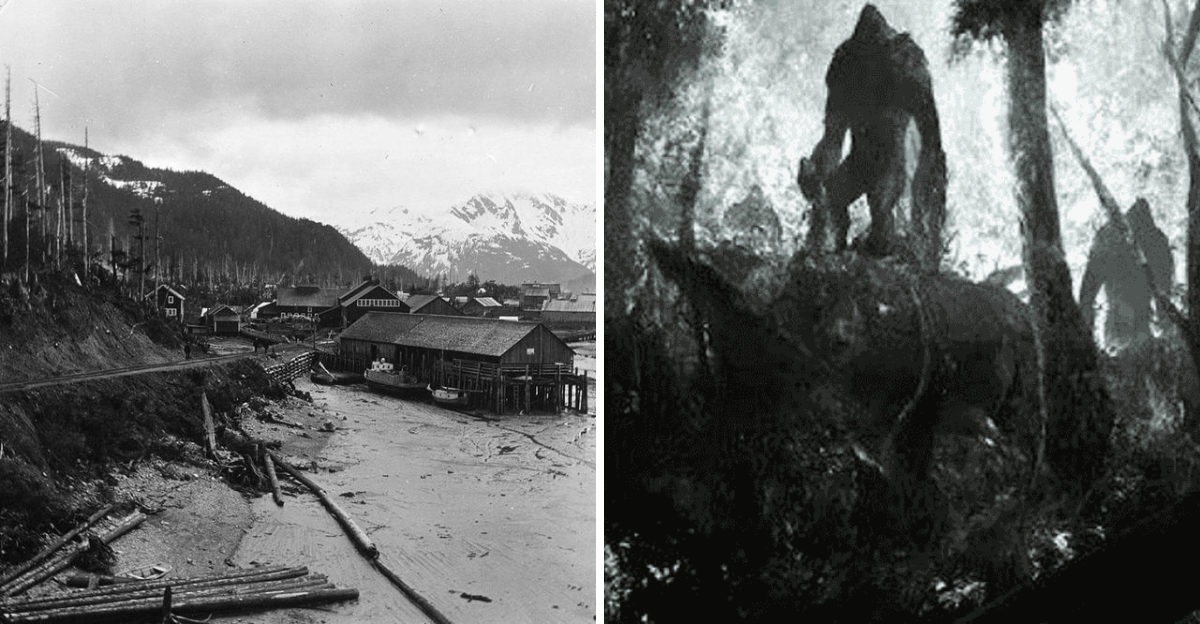
Portlock Alaska has become one of the most talked-about abandoned settlements in the American wilderness. Hidden deep within the rugged coastline of southern Alaska, this remote former fishing village is known not only for its dramatic natural beauty but also for the strange stories that continue to surround it decades after residents left. Many people searching for information about Portlock Alaska are drawn in by rumors of disappearances, unexplained sightings, and legends connected to the surrounding forests. Others are interested in the region’s history, geography, and role in Alaska’s early fishing industry.
Despite the growing internet fascination with Portlock Alaska, much of the discussion online mixes fact with folklore. The truth is more layered and more interesting than the sensational stories often shared on social media or paranormal forums. Portlock was once a functioning community with real families, working fishermen, and economic activity tied to Alaska’s coastal industries. Over time, isolation, dangerous terrain, harsh weather, and local fears contributed to its decline until the settlement was eventually abandoned.
Today, Portlock Alaska exists as both a historical location and a cultural mystery. Understanding its story requires looking beyond myths and exploring the environment, Indigenous traditions, documented history, and the realities of life in one of the harshest regions in North America.
Where Is Portlock Alaska Located?
Portlock Alaska is located on the southern coast of the Kenai Peninsula near Port Chatham Bay. The settlement sits in a remote area surrounded by dense forests, steep mountains, and cold coastal waters. Unlike larger Alaskan towns connected by highways or modern infrastructure, Portlock was isolated even during its active years.
The region is only accessible by boat or aircraft, and weather conditions frequently make travel difficult. Thick fog, icy waters, strong tides, and unpredictable storms are common throughout the year. The terrain surrounding the area is heavily wooded and filled with wildlife, including brown bears, wolves, and moose.
Its remoteness played a major role in shaping the identity of Portlock Alaska. Residents had to depend on fishing, hunting, and cooperation with neighboring communities to survive. Everyday life demanded resilience and practical skills that many people outside rural Alaska could hardly imagine.
The Early History of Portlock Alaska
The history of Portlock Alaska stretches back long before American settlement. The area was traditionally associated with Native Alaskan communities, particularly Sugpiaq and Alutiiq peoples who used the coastline for fishing, hunting, and seasonal movement.
Russian explorers and traders entered the region during the colonial period, followed later by American commercial interests after the United States purchased Alaska from Russia in 1867. As commercial fishing expanded during the late nineteenth and early twentieth centuries, small coastal settlements began appearing throughout the Kenai Peninsula.
Portlock itself eventually developed into a modest cannery and fishing community. Families settled in the area because of access to salmon-rich waters and nearby marine resources. Fishing provided income, while the surrounding wilderness supplied food and materials necessary for daily life.
The community never became large. Historical records suggest only a small population lived there permanently. Nevertheless, Portlock Alaska functioned as a real settlement with homes, work routines, and social connections among residents.
Life in Portlock Alaska During Its Active Years
Life in Portlock Alaska was shaped entirely by the natural environment. Residents woke early to fish, repair equipment, prepare food, and manage supplies. The short summer season was especially important because it allowed families to gather enough resources to survive long winters.
Fishing operations dominated the local economy. Salmon runs attracted commercial interest, and small canning facilities helped process catches for broader markets. Boats were essential not only for work but also for transportation and communication with the outside world.
The isolation created strong community bonds. People relied on each other during emergencies, storms, and difficult winters. Medical help, supplies, and outside assistance could take days or even weeks to arrive depending on conditions.
At the same time, living in Portlock Alaska involved constant danger. Wildlife encounters were common, accidents could become fatal quickly, and severe weather threatened anyone traveling by sea. These realities contributed to the fear and uncertainty that later became tied to the settlement’s mysterious reputation.
Why Did People Leave Portlock Alaska?
The abandonment of Portlock Alaska has fueled decades of speculation. Popular stories often claim residents fled because of terrifying creatures or unexplained attacks in the wilderness. While local legends certainly played a role in community fears, historians believe several practical factors contributed to the town’s decline.
Economic changes affected many small Alaskan settlements during the mid-twentieth century. Fishing industries shifted, transportation routes evolved, and isolated communities became increasingly difficult to maintain. Families often relocated to areas with better schools, healthcare, and employment opportunities.
The harsh living conditions also made permanent settlement difficult. Storms, dangerous terrain, and limited access created constant challenges. In remote Alaska, even minor injuries or shortages could become serious problems.
Another important factor involved local stories about disappearances and unexplained events. Accounts passed down through residents described people vanishing while hunting or traveling through nearby forests. Some reports mentioned mutilated bodies or unusual sounds coming from the wilderness. Whether exaggerated or not, these stories deeply affected the community.
Eventually, by the 1950s, most residents had left Portlock Alaska behind.
The Legends and Mysteries of Portlock Alaska
Much of the modern fascination with Portlock Alaska comes from legends surrounding the area. Stories often describe a large, aggressive creature said to roam the forests near the abandoned settlement. These tales are commonly connected to Native Alaskan folklore involving beings similar to what many people today call Bigfoot or Sasquatch.
According to local stories, hunters and fishermen occasionally reported hearing strange screams, finding massive footprints, or sensing they were being watched in the woods. Some accounts claimed individuals disappeared under mysterious circumstances after venturing into isolated areas near Portlock.
Over time, these stories grew more dramatic through oral retellings, documentaries, podcasts, and internet discussions. Some versions describe attacks on residents or violent encounters deep in the wilderness.
However, separating folklore from verified history remains difficult. Alaska’s environment itself is dangerous enough to explain many disappearances. Dense forests, freezing temperatures, wild animals, and treacherous terrain can quickly become deadly even for experienced outdoorsmen.
Still, the legends surrounding Portlock Alaska continue to attract paranormal researchers, adventurers, and curious travelers from around the world.
Indigenous Folklore and Cultural Context
Understanding Portlock Alaska requires respecting the cultural traditions connected to the region. Indigenous stories about wilderness beings are not simply entertainment or modern horror tales. In many Native Alaskan traditions, these stories carry spiritual meaning and lessons about survival, respect for nature, and the unknown forces present in remote landscapes.
Various Indigenous groups across Alaska have oral histories involving wild men, forest spirits, or dangerous beings living beyond the boundaries of human settlements. These stories often served as warnings against reckless behavior or entering certain areas without caution.
Modern internet discussions sometimes oversimplify these traditions by forcing them into popular cryptid culture. However, the original stories existed long before contemporary fascination with Bigfoot or paranormal entertainment.
For many local communities, the legends connected to Portlock Alaska reflect a deeper relationship with the land rather than simple monster stories.
The Harsh Environment Around Portlock Alaska
One reason Portlock Alaska feels so mysterious is the surrounding environment itself. The area combines dense coastal rainforest, steep cliffs, icy waters, and isolated valleys. Fog frequently limits visibility, while storms can appear suddenly with little warning.
Wildlife is abundant throughout the region. Brown bears are especially common and can pose serious threats when surprised or protecting territory. Wolves, mountain goats, and other large animals also inhabit the area.
Survival in this environment requires knowledge, preparation, and caution. Even experienced hunters or fishermen can become lost due to changing weather or unfamiliar terrain. Hypothermia remains a constant risk in cold coastal climates.
When people disappear in remote areas like Portlock Alaska, recovery efforts become extremely difficult. Thick forests, mountain terrain, and severe weather often prevent quick searches. These conditions naturally contribute to the mystery surrounding historical disappearances.
Modern Interest in Portlock Alaska
In recent years, Portlock Alaska has experienced renewed attention through documentaries, YouTube channels, podcasts, and paranormal television programs. Social media has amplified stories about the abandoned settlement, transforming it into one of America’s most famous ghost-town mysteries.
Many content creators focus heavily on alleged creature sightings or supernatural theories. Others examine the town from a historical or cultural perspective, exploring how isolation shaped life in remote Alaska.
Adventure tourism has also contributed to interest in the area. Some travelers seek abandoned settlements specifically because they offer a glimpse into forgotten history and untouched wilderness. However, visiting Portlock Alaska is not easy or safe. The location remains remote, difficult to access, and potentially dangerous due to weather and wildlife.
Because of these challenges, relatively few people actually reach the site compared to the large number who discuss it online.
Is Portlock Alaska Really Haunted?
The question of whether Portlock Alaska is haunted depends largely on personal beliefs. There is no scientific evidence proving supernatural activity in the area. Most documented events connected to the town can be explained through environmental hazards, isolation, folklore, or exaggerated storytelling over time.
That said, abandoned places naturally create strong emotional reactions. Empty buildings, overgrown paths, and silent wilderness often feel unsettling, especially in locations associated with tragedy or mystery.
The stories surrounding Portlock Alaska continue to evolve because they combine several elements people find compelling: real historical abandonment, dangerous wilderness, unexplained disappearances, and ancient folklore. Together, these factors create an atmosphere that encourages speculation and imagination.
Whether someone views the settlement as haunted, cursed, or simply misunderstood, the fascination surrounding Portlock Alaska shows no signs of disappearing.
What Remains of Portlock Alaska Today?
Very little remains of the original settlement today. Nature has reclaimed much of the area. Decaying structures, scattered remnants of buildings, and traces of old community life still exist, but the environment continues to slowly erase signs of human occupation.
Visitors occasionally report finding abandoned foundations, rusted equipment, or weathered remains connected to the town’s fishing history. The surrounding wilderness dominates the landscape, making it easy to understand how isolated residents once felt.
Because the site is remote and difficult to access, it has avoided the heavy tourism seen at more famous ghost towns. This isolation helps preserve both the mystery and the historical atmosphere connected to Portlock Alaska.
The Difference Between Myth and Reality
One of the most important aspects of discussing Portlock Alaska is recognizing the difference between documented history and modern mythmaking. The town was not simply abandoned overnight because of a monster attack, as some internet stories suggest.
Instead, its decline resulted from a combination of economic hardship, environmental challenges, isolation, and local fears reinforced through storytelling. The supernatural elements associated with Portlock likely became more dramatic over time as the settlement entered popular culture.
This does not make the stories meaningless. Folklore often reveals genuine emotional truths about how communities experience fear, danger, and uncertainty. In remote wilderness regions, stories become part of survival culture and collective memory.
The enduring appeal of Portlock Alaska comes from this intersection of history and legend. It is both a real place with documented historical roots and a symbolic representation of humanity confronting the unknown.
Why Portlock Alaska Continues to Fascinate People
People remain fascinated by Portlock Alaska because it represents something rare in the modern world: a place that still feels genuinely mysterious. In an era dominated by technology, maps, and constant communication, the idea of an isolated settlement swallowed by wilderness captures the imagination.
The story also reflects deeper human fears and curiosities. Remote forests, unexplained disappearances, and abandoned communities have long inspired myths across cultures. Portlock combines all these themes into a single location surrounded by authentic historical context.
For some, the appeal lies in paranormal possibilities. For others, it is about survival history, anthropology, or Alaska’s rugged landscape. The mystery remains powerful because there is no single explanation that fully satisfies everyone.
FAQ About Portlock Alaska
What is Portlock Alaska known for?
Portlock Alaska is best known as an abandoned fishing settlement associated with mysterious disappearances, local folklore, and stories involving strange creatures in the surrounding wilderness.
Why was Portlock Alaska abandoned?
The settlement was abandoned due to a combination of economic decline, harsh environmental conditions, isolation, and local fears connected to unexplained incidents and legends in the area.
Can people visit Portlock Alaska today?
Yes, but visiting Portlock Alaska is difficult and potentially dangerous. The area is remote, accessible mainly by boat or aircraft, and surrounded by challenging wilderness conditions.
Is there evidence of supernatural activity in Portlock Alaska?
There is no scientific evidence proving supernatural activity in Portlock Alaska. Most stories are based on folklore, oral traditions, and historical rumors rather than verified facts.
Was Portlock Alaska a real town?
Yes, Portlock Alaska was a real settlement with residents, fishing operations, and community life during the early twentieth century.
Are the Bigfoot stories connected to Portlock Alaska true?
The stories are part of regional folklore and Portlock Alaska modern cryptid culture. While many people claim unusual experiences in the area, there is no confirmed evidence supporting the existence of such creatures.
Conclusion
Portlock remains one of the most intriguing abandoned settlements in the United States. Its story combines genuine historical hardship with folklore, wilderness danger, and modern mystery culture. Unlike fictional ghost towns created purely for entertainment, Portlock Alaska was once home to real families who faced the realities of surviving in an isolated coastal environment.
