
Introduction
Harvest Buffet The modern dining scene has changed dramatically over the last decade. People no longer want meals that only taste good; they also expect variety, quality, atmosphere, convenience, and value in one place. This shift is one of the biggest reasons why the harvest buffet concept has become increasingly popular among families, couples, office workers, tourists, and food enthusiasts alike.
A harvest buffet is more than a traditional all-you-can-eat restaurant. It represents abundance, freshness, and diversity. Instead of focusing on a single cuisine, a harvest buffet usually combines international dishes, local specialties, seasonal ingredients, live cooking stations, desserts, beverages, and premium dining experiences under one roof. Guests can enjoy everything from seafood and grilled meats to salads, sushi, pasta, soups, pastries, and cultural dishes during a single meal.
What truly separates a harvest buffet from ordinary buffet dining is the focus on freshness and presentation. Many establishments use farm-inspired themes, seasonal menus, and carefully selected ingredients to create a dining experience that feels both luxurious and welcoming. For customers, this means they can enjoy restaurant-quality meals while exploring multiple cuisines at their own pace.
As buffet culture continues to evolve globally, harvest buffet restaurants are becoming destinations rather than simple places to eat. People visit them for celebrations, business lunches, birthdays, family gatherings, and even weekend relaxation. This article explores everything you need to know about harvest buffet dining, including its appeal, food variety, atmosphere, pricing, dining etiquette, benefits, and what makes it stand out in today’s competitive restaurant industry.
What Is a Harvest Buffet?
A harvest buffet is a large-scale dining setup where guests can choose from a wide selection of freshly prepared dishes arranged across multiple food stations. The term “harvest” usually reflects abundance, freshness, and variety, often inspired by seasonal produce and high-quality ingredients.
Unlike traditional buffets that may prioritize quantity over quality, a harvest buffet often focuses on balancing both. Restaurants offering this experience typically invest heavily in presentation, food freshness, ingredient sourcing, and customer comfort.
Most harvest buffet restaurants include:
- International cuisine sections
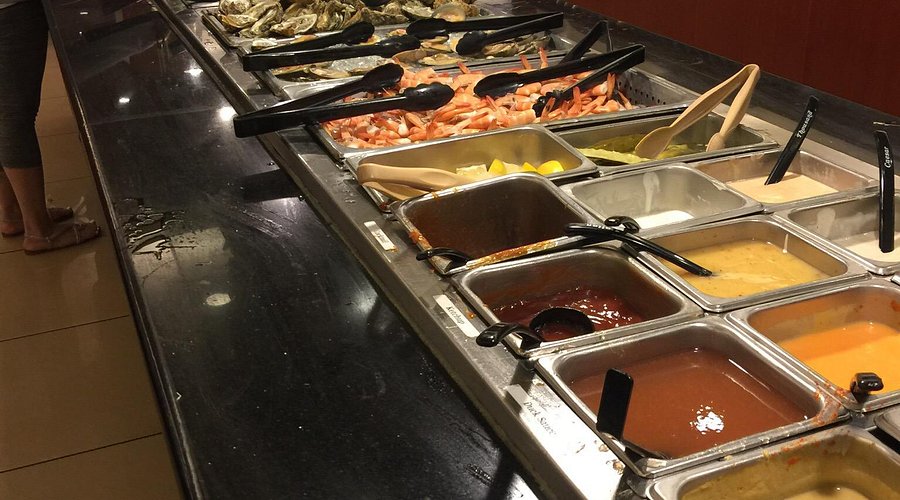
- Fresh seafood stations
- Salad and fruit bars
- Grilled meat counters
- Live cooking stations
- Dessert and bakery selections
- Vegetarian and healthy options
- Premium beverages and specialty dishes
The experience is designed to allow diners to explore many flavors without ordering individual dishes separately. This flexibility appeals to groups with different food preferences because everyone can find something they enjoy.
Why Harvest Buffet Dining Has Become So Popular
The popularity of the harvest buffet model is closely tied to changing dining habits. Modern customers want flexibility, value, and memorable experiences. Buffets provide all three.
One major reason for the popularity is variety. A single visit can include Asian cuisine, Italian dishes, seafood, barbecue, desserts, and fresh salads. This removes the need for compromise when dining in groups.
Another reason is convenience. Guests can immediately access food without waiting for multiple courses. Live stations also create excitement because diners can watch chefs prepare meals in real time.
Social media has also influenced buffet culture. Beautiful food displays, colorful desserts, premium seafood arrangements, and elegant interiors make harvest buffet restaurants highly shareable online. Many restaurants intentionally design visually appealing presentations to attract younger audiences.
Additionally, harvest buffet dining appeals to customers seeking value. While premium buffets may appear expensive initially, the ability to sample numerous dishes often makes the experience feel worthwhile.
The Dining Experience at a Harvest Buffet
Walking into a harvest buffet usually feels different from entering a standard restaurant. The atmosphere is often lively yet sophisticated, with multiple food stations arranged strategically around the dining area.
The dining process generally begins with guests exploring the buffet layout. Experienced diners often take a complete tour before selecting food. This helps them identify specialty dishes and avoid filling up too quickly on basic items.
Many harvest buffet restaurants divide their food into sections such as:
Seafood Section
This area often includes shrimp, crab, mussels, oysters, sushi, sashimi, and grilled fish. Premium buffets may also serve lobster or specialty seafood dishes.
International Cuisine Station
Guests can sample dishes from various countries, including Chinese stir-fries, Italian pasta, Japanese sushi, Indian curries, Middle Eastern rice dishes, and Western grilled items.
Live Cooking Counters
One of the highlights of a harvest buffet is watching chefs prepare meals on demand. Guests may customize noodles, steaks, seafood, or pasta according to their preferences.
Salad and Healthy Food Area
Modern buffet restaurants increasingly focus on healthy eating. Fresh vegetables, fruits, soups, organic ingredients, and low-calorie dishes are commonly included.
Dessert Section
Dessert counters are often among the most visually impressive areas. Cakes, pastries, chocolates, puddings, ice cream, waffles, and traditional sweets are carefully arranged to create an appealing display.
The overall experience is designed to encourage exploration and enjoyment rather than rushed eating.
What Makes Harvest Buffet Different From Regular Buffets
Although many people use the terms interchangeably, a harvest buffet often differs from a standard buffet in several important ways.
Greater Emphasis on Freshness
Harvest buffet restaurants usually prioritize fresh ingredients and seasonal dishes. Instead of relying heavily on frozen or mass-produced items, many focus on daily preparation.
Premium Presentation
Food presentation plays a major role in the harvest buffet concept. Dishes are displayed attractively, often resembling fine dining setups rather than cafeteria-style service.
More Diverse Menu Selection
Traditional buffets may specialize in one cuisine, while harvest buffet restaurants commonly offer multiple international cuisines together.
Interactive Dining
Live cooking stations create interaction between chefs and diners. Guests can request customization, cooking levels, or ingredient adjustments.
Enhanced Ambience
Lighting, interior design, seating arrangements, and overall atmosphere are typically more refined than ordinary buffet establishments.
These differences help justify the higher pricing often associated with premium harvest buffet dining.
Best Foods to Try at a Harvest Buffet
One of the most exciting aspects of visiting a harvest buffet is discovering signature dishes. While menus vary by location, some items consistently stand out.
Fresh Seafood
Seafood is often considered the centerpiece of upscale buffet dining. Fresh shrimp, oysters, crab legs, and sushi attract many guests.
Carving Stations
Roasted meats carved directly in front of diners offer freshness and flavor that pre-served dishes cannot match.
Chef Specials
Many buffets include signature dishes created specifically by the restaurant’s culinary team. These items often represent the highest-quality offerings available.
Local Cuisine
Even international buffets usually incorporate regional specialties. Trying local dishes can provide a more authentic dining experience.
Handmade Desserts
Premium desserts are another highlight. Fresh pastries, mousse cakes, chocolate fountains, and artisanal sweets often receive significant attention.
Experienced buffet diners usually recommend prioritizing premium or freshly prepared items rather than basic foods that are commonly available elsewhere.
Tips for Enjoying a Harvest Buffet Properly
Although buffet dining appears simple, a strategic approach can improve the overall experience significantly.
Start Slowly
Many first-time diners make the mistake of filling their plates immediately. Beginning with small portions allows guests to sample more dishes without becoming full too quickly.
Explore Before Choosing
Walking around the buffet first helps identify the best options and specialty items.
Focus on Freshly Prepared Food
Live stations and recently replenished dishes generally offer better flavor and texture.
Avoid Food Waste
Taking excessive amounts of food not only wastes resources but may also result in additional charges at some restaurants.
Stay Hydrated
Buffet meals often include rich and salty foods, so drinking water throughout the meal improves comfort.
Save Room for Desserts
Dessert stations are often among the highlights of a harvest buffet experience, so pacing yourself is important.
Following these tips allows diners to enjoy both quality and variety without discomfort.
The Role of Seasonal Ingredients in Harvest Buffet Dining
Seasonality is an important part of the harvest buffet concept. Many restaurants update their menus throughout the year to reflect ingredient availability and customer preferences.
For example:
- Summer menus may focus on tropical fruits, cold seafood, and refreshing desserts.
- Autumn selections often include roasted vegetables, soups, and harvest-themed dishes.
- Winter buffets may emphasize comfort foods, grilled meats, and warm desserts.
- Spring menus commonly feature lighter salads and fresh herbs.
Using seasonal ingredients improves freshness and flavor while supporting local agriculture in many cases. Customers also appreciate seeing new dishes instead of the same menu year-round.
Harvest Buffet for Family Gatherings and Celebrations
One reason the harvest buffet format remains successful is its suitability for groups. Family members with different tastes can all find suitable dishes without conflict.
Children often enjoy pizza, fries, desserts, and pasta, while adults may prefer seafood, grilled meats, or international cuisine. Elderly diners can choose lighter meals or soups according to their dietary preferences.
Buffet dining also reduces waiting time during celebrations. Instead of coordinating multiple orders, guests can begin eating immediately after seating.
This flexibility makes harvest buffet restaurants popular for:
- Birthday parties
- Wedding celebrations
- Corporate dinners
- Holiday gatherings
- Weekend family outings
- Graduation events
The social atmosphere encourages conversation and shared experiences.
Health and Nutrition at a Harvest Buffet
Many people assume buffet dining is automatically unhealthy, but modern harvest buffet restaurants increasingly provide balanced options.
Healthy choices commonly include:
- Fresh salads
- Grilled seafood
- Lean proteins
- Fruit platters
- Vegetable soups
- Whole grain dishes
- Low-sugar desserts
The key factor is portion control. Because buffets provide unlimited access, overeating becomes easy if diners are not mindful.
Nutrition-conscious guests can still enjoy a harvest buffet by balancing indulgent foods with lighter options.
The Economic Value of Harvest Buffet Dining
Pricing is an important consideration for many diners. While premium buffets may seem expensive initially, the value often becomes clear when considering the variety and quality offered.
A single buffet meal can include:
- Appetizers
- Main courses
- Seafood
- Desserts
- Beverages
- Specialty dishes
Ordering these separately in traditional restaurants could cost significantly more.
Buffets also reduce decision fatigue. Instead of carefully selecting one meal, diners can sample multiple cuisines during a single visit.
For tourists and food enthusiasts, harvest buffet dining can be especially appealing because it offers broad culinary exposure in one location.
Common Mistakes People Make at a Harvest Buffet
Even experienced diners occasionally approach buffet dining incorrectly. Some of the most common mistakes include:
Eating Too Quickly
Fast eating reduces enjoyment and increases discomfort.
Filling Up on Cheap Foods
Bread, rice, and fries can quickly reduce appetite before premium dishes are explored.
Ignoring Freshness
Food that has remained under heat lamps for long periods may lose quality.
Mixing Too Many Flavors
Combining unrelated dishes can overwhelm the palate.
Skipping Hydration
Heavy buffet meals require proper hydration for comfort.
Avoiding these mistakes improves the overall dining experience significantly.
How Restaurants Maintain Quality in a Harvest Buffet
Running a successful harvest buffet requires careful planning and management. Restaurants must balance freshness, food safety, customer satisfaction, and operational efficiency.
Key quality measures include:
Frequent Food Replacement
Smaller portions are replenished regularly to maintain freshness.
Temperature Control
Proper heating and cooling systems protect food quality and safety.
Ingredient Sourcing
High-end buffet restaurants often partner with trusted suppliers for seafood, meat, and produce.
Staff Training
Employees must maintain cleanliness, assist guests, and monitor buffet stations continuously.
Menu Rotation
Changing dishes periodically keeps the dining experience exciting for repeat customers.
Restaurants that consistently maintain these standards often build strong reputations and loyal customer bases.
The Future of Harvest Buffet Dining
The buffet industry continues evolving with changing customer expectations. Modern diners increasingly prioritize freshness, cleanliness, personalization, and experience-driven dining.
Future trends in the harvest buffet industry may include:
- More sustainable ingredient sourcing
- Increased plant-based menu options
- Advanced food safety technology
- Interactive digital reservation systems
- Customized live-cooking experiences
- Eco-friendly packaging and operations
Many restaurants are also investing in visually appealing interiors and social-media-friendly presentations to attract younger audiences.
Despite changing food trends, the core appeal of buffet dining remains timeless: variety, abundance, and freedom of choice.
Frequently Asked Questions About Harvest Buffet
What is a harvest buffet?
A harvest buffet is a dining concept that offers a wide variety of freshly prepared dishes across multiple food stations. It typically focuses on abundance, freshness, quality ingredients, and international cuisine options.
Is a harvest buffet worth the price?
For many diners, a harvest buffet offers excellent value because guests can enjoy numerous dishes, premium ingredients, desserts, and live cooking stations during a single meal.
What should I eat first at a harvest buffet?
Most experienced diners recommend starting with lighter or premium items such as seafood, salads, or chef specialties before moving to heavier foods.
Are harvest buffet restaurants suitable for families?
Yes. Harvest buffet dining is especially popular with families because it provides options for different age groups and dietary preferences.
How can I avoid overeating at a harvest buffet?
Eating slowly, taking smaller portions, staying hydrated, and focusing on quality over quantity can help maintain balance during buffet dining.
Do harvest buffet restaurants offer healthy food options?
Most modern harvest buffet restaurants include salads, fruits, grilled proteins, soups, and lighter dishes for health-conscious diners.
Conclusion
The rise of the harvest buffet reflects changing expectations in modern dining. Today’s customers want more than a simple meal; they seek variety, freshness, atmosphere, and memorable experiences. Harvest buffet restaurants successfully combine these elements by offering extensive food selections, interactive cooking stations, premium presentation, and flexible dining experiences suitable for every type of guest.
