
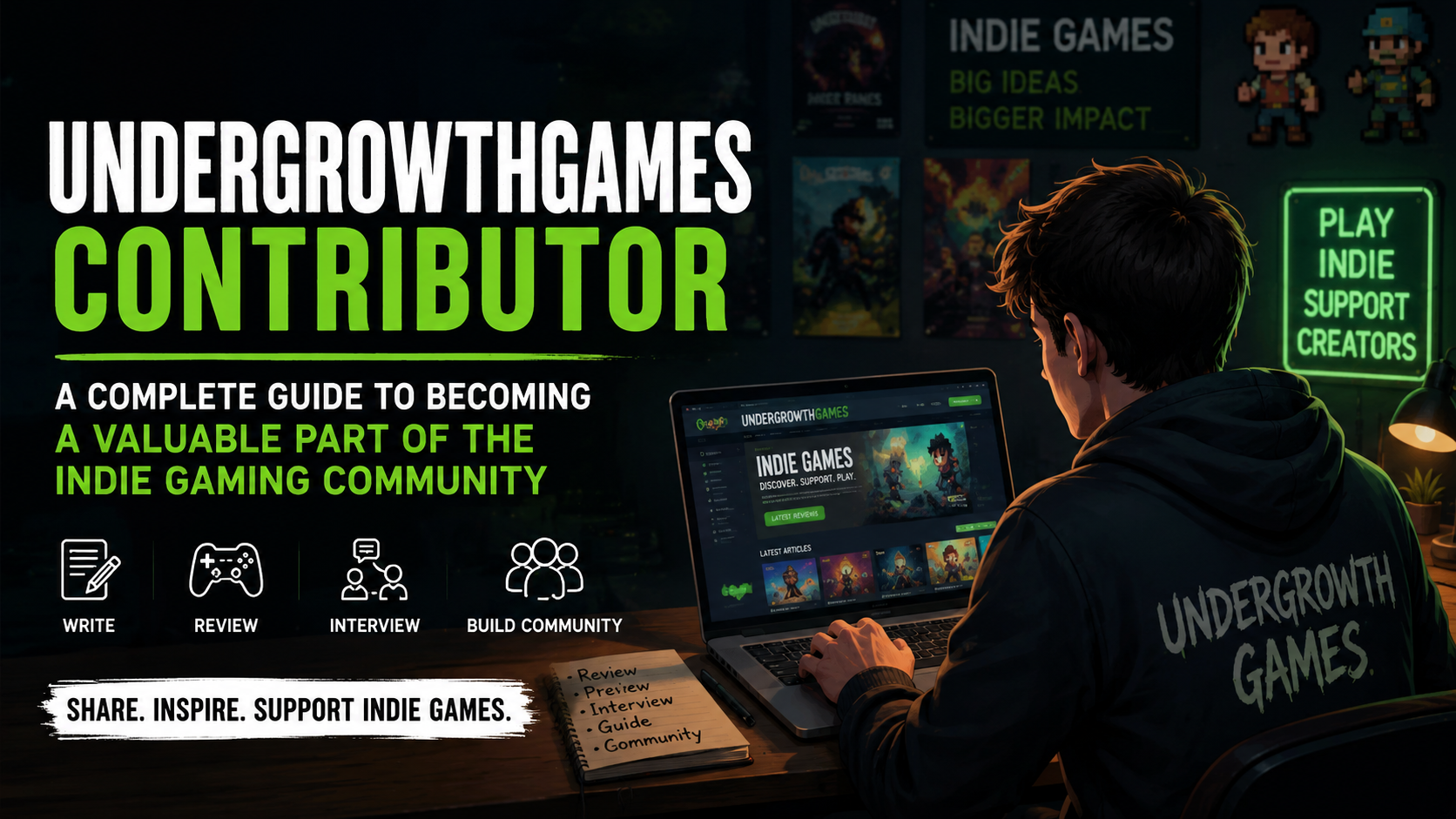
UndergrowthGames Contributor The indie gaming industry thrives on creativity, collaboration, and passionate communities. Platforms dedicated to independent game development have become essential spaces where writers, developers, reviewers, and gaming enthusiasts exchange ideas and showcase talent. Among these growing ecosystems, the role of an undergrowthgames contributor has gained increasing attention from aspiring creators who want to establish credibility in the gaming world while contributing meaningful content to a niche but highly engaged audience.
Whether someone is a game reviewer, indie developer, gaming journalist, or community writer, becoming an undergrowthgames contributor offers opportunities to share expertise, gain visibility, and connect with a wider gaming audience. More importantly, contributors help shape conversations around indie titles that might otherwise go unnoticed in a market dominated by major publishers.
This article explores what an undergrowthgames contributor does, the skills required to succeed, the benefits of contributing, the challenges involved, and how contributors can build long-term authority within the gaming industry.
Understanding the Role of an UndergrowthGames Contributor
An undergrowthgames contributor is typically a content creator, writer, reviewer, developer, or gaming enthusiast who actively contributes material to the UndergrowthGames platform or its associated gaming community. Contributions may include articles, walkthroughs, reviews, development insights, community discussions, tutorials, or industry commentary.
Unlike mainstream gaming publications that focus heavily on AAA releases, contributor-driven indie gaming communities often prioritize originality, experimentation, and emerging talent. Contributors become valuable because they help surface lesser-known games, provide honest feedback, and encourage meaningful engagement between developers and players.
The role goes beyond simple content publishing. Contributors frequently act as community ambassadors who help foster discussions, support indie creators, and maintain a culture centered around collaboration rather than commercial hype.
Why Indie Gaming Communities Depend on Contributors
Independent gaming platforms rely heavily on active contributors because indie ecosystems are community-driven by nature. Unlike large corporations with dedicated editorial departments, indie communities grow through participation and shared enthusiasm.
An undergrowthgames contributor can influence the visibility of new titles by writing detailed reviews, sharing gameplay impressions, or highlighting innovative mechanics that larger outlets may overlook. This creates opportunities for smaller developers to gain recognition without massive marketing budgets.
Contributors also provide authenticity. Readers tend to trust community-driven perspectives more than heavily commercialized promotional content. Honest feedback from passionate gamers carries weight because it reflects genuine experience rather than paid advertising.
Additionally, contributors help preserve diversity within gaming culture. Indie games often experiment with storytelling, accessibility, art direction, and mechanics in ways mainstream studios avoid. Contributors who spotlight these innovations help broaden industry conversations and encourage creative risk-taking.
Skills Needed to Become a Successful UndergrowthGames Contributor
Becoming a respected undergrowthgames contributor requires more than a passion for gaming. High-quality contributors develop a blend of writing ability, analytical thinking, communication skills, and industry awareness.
Strong Writing Skills
Clear, engaging writing is foundational. Contributors must communicate ideas effectively while maintaining readability for different audiences. Game reviews, opinion pieces, and tutorials require different tones and structures, so adaptability matters.
Good contributors avoid vague statements and instead provide detailed observations supported by examples. For instance, rather than simply calling a game “fun,” an experienced contributor explains why the mechanics create engagement and how they compare to genre standards.
Understanding of Game Design
Knowledge of game design principles helps contributors produce insightful analysis. Understanding mechanics, pacing, level design, storytelling structures, sound design, and player psychology allows for more informed commentary.
Readers appreciate reviews and articles that explain how systems work rather than offering shallow reactions. Contributors who understand development challenges also tend to provide more constructive criticism.
Research and Industry Awareness
Gaming trends evolve rapidly. A successful undergrowthgames contributor stays informed about industry developments, indie releases, crowdfunding trends, digital distribution platforms, and emerging technologies.
Awareness of broader gaming conversations enables contributors to create relevant, timely content that resonates with readers.
Community Engagement
Contributors often interact directly with readers, developers, and other writers. Professional communication and respectful engagement are essential for building credibility within gaming communities.
Constructive discussions encourage trust and strengthen long-term reputation.
Types of Content an UndergrowthGames Contributor Creates
The responsibilities of an undergrowthgames contributor vary depending on the platform’s needs and the contributor’s expertise.
Game Reviews
Game reviews remain one of the most common contribution formats. Effective reviews balance objective analysis with personal experience. Contributors evaluate gameplay mechanics, graphics, storytelling, audio, performance, and replay value while considering the intended audience.
Indie game reviews often focus heavily on innovation and creativity rather than production scale.
Developer Interviews
Contributor-led interviews offer readers insight into the development process behind indie titles. These interviews humanize creators and reveal the inspirations, challenges, and goals that shape independent projects.
Strong interviews ask thoughtful questions that go beyond marketing talking points.
Opinion and Analysis Articles
Many contributors publish commentary on gaming trends, industry controversies, monetization practices, accessibility, representation, or emerging technologies.
These articles allow contributors to establish authority by demonstrating deep understanding of industry dynamics.
Tutorials and Guides
Tutorials help players navigate complex mechanics or assist aspiring developers in learning industry tools and practices. Detailed guides can attract consistent traffic and position contributors as knowledgeable experts.
Community Features
Some contributors spotlight fan creations, modding communities, indie events, or rising developers. These community-focused articles strengthen engagement and encourage collaboration.
How an UndergrowthGames Contributor Builds Authority
Authority within gaming communities is earned gradually through consistency, reliability, and quality contributions.
Consistency Matters
Regular publishing helps contributors remain visible and build audience familiarity. Readers are more likely to trust contributors who consistently deliver thoughtful, well-researched content over time.
Consistency also demonstrates commitment to the community rather than short-term self-promotion.
Accuracy and Fairness
Credibility depends heavily on balanced reporting and accurate information. Contributors who exaggerate claims or publish misleading content quickly lose trust.
Fair criticism is particularly important in indie gaming spaces where developers often interact directly with community members. Honest but respectful feedback is valued more than harsh negativity.
Developing a Distinct Voice
Successful contributors often develop recognizable writing styles or perspectives. Some specialize in deep mechanical analysis, while others focus on narrative storytelling, accessibility, or indie horror games.
A distinct voice helps contributors stand out in competitive digital environments.
Networking Within the Industry
Relationships with developers, journalists, streamers, and fellow contributors can create opportunities for collaboration and increased visibility. Networking also improves access to exclusive information, previews, and interviews.
Benefits of Becoming an UndergrowthGames Contributor
There are several professional and personal benefits associated with becoming an undergrowthgames contributor.
Portfolio Development
Published work serves as a valuable portfolio for writers, journalists, and aspiring industry professionals. Contributors can showcase expertise when applying for freelance opportunities, editorial positions, or game-related roles.
Industry Connections
Contributors often connect with developers, publishers, community managers, and media professionals. These relationships can open doors to collaborations, interviews, and career opportunities.
Early Access Opportunities
Established contributors may receive early game access, beta invitations, or preview builds from developers seeking coverage and feedback.
Skill Improvement
Writing regularly sharpens communication, research, critical thinking, and editorial skills. Contributors also gain experience analyzing games from technical and creative perspectives.
Community Recognition
Well-respected contributors become influential voices within indie gaming communities. Recognition can lead to speaking opportunities, podcast appearances, or leadership roles within gaming networks.
Challenges Faced by an UndergrowthGames Contributor
While contributing offers many rewards, it also comes with challenges that require professionalism and persistence.
High Competition
Gaming content creation is highly competitive. Thousands of writers and creators compete for visibility across blogs, social platforms, and video channels.
Standing out requires originality, expertise, and long-term dedication.
Burnout and Workload
Producing high-quality content consistently can become exhausting, especially when balancing deadlines, gameplay hours, editing, and research.
Many contributors underestimate the time required to create polished articles.
Managing Criticism
Public writing invites criticism from readers and developers alike. Contributors must learn to handle disagreements professionally while maintaining confidence in their work.
Constructive criticism can improve writing quality, but toxic feedback should not derail motivation.
Limited Financial Compensation
Many indie gaming communities operate on limited budgets. Early-stage contributors may work voluntarily or receive modest compensation while building reputation.
However, strong portfolios can eventually lead to paid freelance or editorial opportunities.
Best Practices for Writing High-Quality Gaming Content
A successful undergrowthgames contributor follows several best practices that improve content quality and reader engagement.
Prioritize Reader Value
Articles should answer real questions, provide meaningful insights, or solve specific problems. Readers quickly lose interest in shallow content lacking substance.
Use Real Gameplay Experience
Authenticity matters in gaming journalism. Contributors should spend sufficient time with games before reviewing or discussing them.
Personal experience allows for richer detail and more credible analysis.
Balance Criticism and Praise
Balanced reviews are more trustworthy than overly positive or excessively negative coverage. Readers appreciate nuanced perspectives that acknowledge both strengths and weaknesses.
Avoid Clickbait
Misleading headlines may generate temporary traffic but damage long-term credibility. Trust is more valuable than short-term attention.
Edit Thoroughly
Grammar, structure, and clarity significantly impact professionalism. Careful editing improves readability and authority.
The Growing Importance of Community-Driven Gaming Journalism
Traditional gaming journalism has changed dramatically over the past decade. Large publications increasingly compete with independent blogs, YouTube creators, streamers, and niche gaming communities.
In this environment, the role of an undergrowthgames contributor becomes even more important. Community-driven contributors often provide deeper insights into indie games because they are motivated by genuine enthusiasm rather than corporate publishing cycles.
Players increasingly seek authentic perspectives from creators who understand niche genres and experimental titles. Contributors who focus on quality analysis rather than sensationalism are more likely to build loyal audiences.
This shift also reflects broader changes in digital media consumption. Readers value expertise, transparency, and personality. Contributors who combine knowledge with authenticity can establish strong influence even without massive audiences.
How Indie Developers Benefit From Contributors
Contributors play a critical role in supporting independent developers.
Increased Visibility
Small studios frequently struggle with discoverability. Contributor reviews and features can expose games to audiences that developers might not reach independently.
Constructive Feedback
Detailed analysis helps developers identify UndergrowthGames Contributor strengths and areas for improvement. Thoughtful criticism can contribute to better updates and future projects.
Community Building
Coverage from trusted contributors encourages player discussions and strengthens community engagement around indie titles.
Long-Term Exposure
Unlike short-lived advertising campaigns, well-written articles can continue attracting readers and generating interest months or even years after publication.
Future Opportunities for UndergrowthGames Contributors
The future looks promising for contributors who adapt to changing digital trends and maintain high editorial standards.
Emerging technologies such as virtual reality, cloud gaming, artificial intelligence-assisted development, and cross-platform publishing are expanding opportunities for specialized gaming coverage.
Contributors who build expertise in evolving niches can position themselves as authoritative voices in growing sectors of the industry.
Multimedia content is also becoming increasingly important. Writers who expand into podcasts, video essays, livestream discussions, or social commentary may reach broader audiences while strengthening personal brands.
However, written content remains highly valuable for SEO visibility, in-depth analysis, and long-form educational material. Skilled contributors who produce thoughtful written work continue to hold an important place in gaming media ecosystems.
FAQ About UndergrowthGames Contributor
What does an undergrowthgames contributor do?
An undergrowthgames contributor creates content related to indie gaming, including reviews, interviews, tutorials, opinion articles, and community discussions. Contributors help inform audiences while supporting indie developers and gaming communities.
Do contributors need professional journalism experience?
Professional journalism experience is helpful but not mandatory. Strong writing ability, gaming knowledge, and consistent high-quality contributions are often more important than formal credentials.
Can contributing lead to gaming industry careers?
Yes. Many gaming journalists, community managers, and media professionals started as independent contributors. Published work can serve as a portfolio for future opportunities.
What makes a contributor trustworthy?
Trustworthy contributors provide accurate information, balanced opinions, transparent analysis, and authentic gameplay experience. Consistency and professionalism also contribute to credibility.
Is indie gaming coverage different from mainstream gaming journalism?
Indie gaming coverage often focuses more on creativity, innovation, artistic experimentation, and community engagement rather than blockbuster marketing campaigns and commercial trends.
Conclusion
The role of an undergrowthgames contributor extends far beyond writing simple game reviews. Contributors serve as trusted voices within indie gaming communities, helping players discover innovative titles while supporting developers who bring fresh ideas to the industry.
Success as a contributor requires a combination of writing skill, gaming expertise, research ability, and community engagement. Contributors who consistently produce thoughtful, accurate, and authentic content can build long-term authority while creating valuable opportunities for personal and professional growth.
