
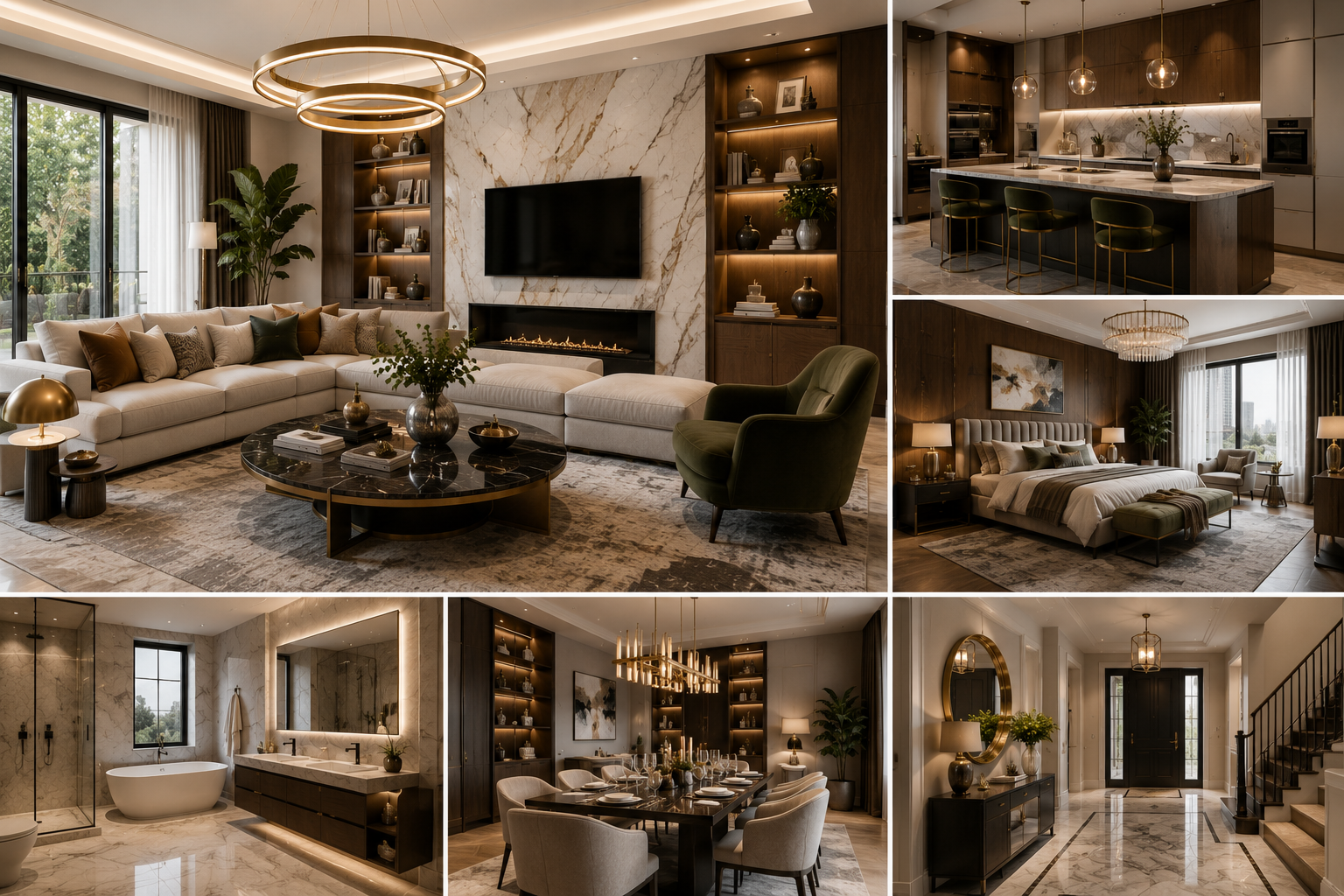
Creating a luxurious home is no longer limited to expensive furniture or large spaces. Today, true luxury is defined by thoughtful planning, elegant simplicity, and smart use of space. With the right approach to Architectural design, any home—big or small—can be transformed into a sophisticated and comfortable living environment.
Modern homeowners are increasingly focusing on interiors that not only look beautiful but also improve functionality, comfort, and lifestyle. This shift has made luxury interior design more accessible and practical than ever before.
Below are some powerful luxury interior design ideas that can completely upgrade your home and bring a new level of elegance to your everyday living experience.
1. Open-Concept Living Spaces
One of the most popular trends in luxury interiors is open-concept design. Removing unnecessary walls between the living room, dining area, and kitchen creates a seamless flow that makes the home feel larger and more inviting.
Good ออกแบบสถาปัตยกรรม plays a major role in achieving this balance. It ensures structural stability while creating open and connected spaces that enhance natural light and ventilation.
Open layouts also encourage social interaction, making them ideal for modern family living and entertaining guests.
2. Use of Natural Light as a Design Element
Natural light is one of the most powerful elements in luxury interior design. Homes that are well-lit naturally feel more spacious, warm, and welcoming.
Large windows, skylights, and glass doors are often integrated into modern Architectural design to maximize sunlight exposure. This reduces the need for artificial lighting during the day and enhances the overall mood of the space.
Proper placement of windows and openings ensures that every corner of the home benefits from natural illumination.
3. Minimalist Luxury with Clean Lines
Minimalism is a key feature of modern luxury interiors. Instead of overcrowding spaces with decorations, the focus is on simplicity, clean lines, and carefully selected statement pieces.
This approach to Architectural design creates calm and clutter-free environments that feel more organized and visually appealing.
High-quality materials such as marble, wood, glass, and metal are often used to add subtle elegance without overwhelming the space.
4. Custom Lighting for Mood and Style
Lighting is one of the most important aspects of interior design. Luxury homes use layered lighting techniques, combining ambient, task, and accent lighting to create depth and atmosphere.
Chandeliers, pendant lights, LED strips, and wall sconces are strategically placed as part of overall Architectural design planning.
Well-designed lighting not only improves visibility but also highlights architectural features and decorative elements.
5. Premium Material Selection
Luxury interiors are defined by the quality of materials used. Natural stone, hardwood flooring, textured fabrics, and high-end finishes add richness and durability to any space.
Professional Architectural design ensures that materials are not only visually appealing but also suitable for long-term use. The combination of aesthetics and durability is essential in creating a truly luxurious home.
Even small details like door handles, cabinetry, and fixtures contribute to the overall premium feel.
6. Statement Furniture Pieces
Instead of filling rooms with many items, luxury interiors often focus on a few bold statement pieces. A designer sofa, a sculptural dining table, or a unique art piece can define the entire room.
These elements are carefully integrated into Architectural design so that they complement the space rather than overpower it.
The goal is to create balance between functionality and artistic expression.
7. Indoor-Outdoor Connection
Modern luxury homes increasingly blur the line between indoor and outdoor spaces. Large sliding doors, garden views, terraces, and private courtyards bring nature closer to daily living.
This concept is heavily influenced by Architectural design, which ensures smooth transitions between interior and exterior environments.
Adding greenery indoors also improves air quality and creates a calming atmosphere.
8. Smart Home Integration
Technology is now an essential part of luxury living. Smart lighting, climate control, security systems, and automated curtains make life more convenient and efficient.
Modern Architectural design incorporates these systems from the planning stage to ensure seamless integration without disrupting aesthetics.
This combination of technology and design enhances both comfort and functionality.
9. Personalized Interior Themes
Every luxury home should reflect the personality of its owner. Whether it’s modern minimalism, classic elegance, or contemporary chic, personalization is key.
Professional Architectural design helps translate personal preferences into functional layouts and cohesive interior themes.
This ensures that every space feels unique, meaningful, and tailored to lifestyle needs.
10. Functional Luxury Spaces
Luxury is not just about appearance—it is also about usability. Well-designed storage, multi-purpose rooms, and ergonomic layouts make everyday life more efficient.
Strong Architectural design ensures that beauty and practicality go hand in hand. Every square foot is optimized to enhance comfort and usability.
Conclusion
Upgrading your home into a luxury space requires more than decoration—it requires thoughtful planning, creativity, and expert execution. From lighting and materials to layout and technology, every detail contributes to the final result.
With the help of professional Architectural design, homeowners can transform ordinary spaces into extraordinary living environments that reflect elegance, comfort, and functionality.
By applying these luxury interior design ideas, you can create a home that not only looks stunning but also enhances your everyday lifestyle in meaningful ways.
