
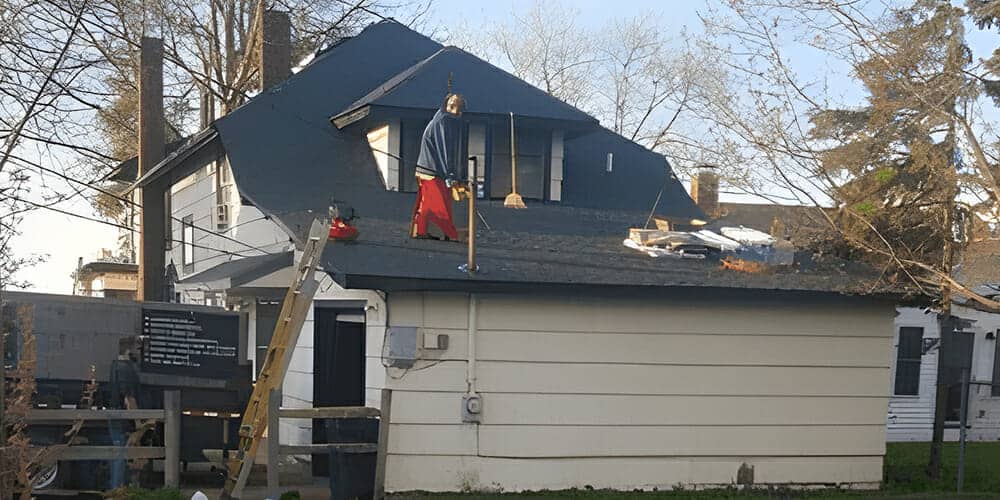
Many homeowners worry about what happens if it starts raining during a roof replacement. Seeing your old shingles removed can be stressful, but experienced roofing contractors prepare for changing weather long before the first shingle comes off. A properly managed roof tear-off includes careful planning, weather monitoring, and proven methods to keep your home protected if unexpected rain develops.
Before a roofing project begins, professional crews closely watch the weather forecast. If steady rain or severe storms are expected, the tear-off may be postponed until conditions improve. This helps reduce the chance of exposing the roof deck to unnecessary moisture while ensuring the new roofing system is installed under appropriate conditions.
When weather is favorable, crews work in sections whenever possible. Instead of removing every shingle from the roof at once, experienced roofers often tear off only the area they can replace efficiently. This approach reduces the amount of exposed decking and allows new underlayment and shingles to be installed quickly.
If a pop-up rain shower occurs unexpectedly, protecting the home becomes the crew’s highest priority. Heavy-duty waterproof tarps are immediately placed over exposed roof decking to keep rain from entering the home. These tarps are secured so they remain in place even if wind accompanies the rain, helping protect the attic, insulation, ceilings, and interior living spaces until work can safely resume.
Professional roofing companies also keep emergency protection materials on every job site. Waterproof tarps, synthetic underlayment, temporary fasteners, and other protective materials allow crews to respond quickly if weather conditions change without warning.
A roof tear-off also includes protecting everything below the roof. Landscaping, flower beds, shrubs, decks, air conditioning units, and walkways are covered before work begins. Tarps and protective barriers help catch roofing debris while reducing the chance of damage during both the tear-off and installation process.
Safety remains equally important during rainy conditions. Wet roof surfaces become slippery, making falls more likely. Professional roofing contractors will temporarily stop work during heavy rain, lightning, or unsafe weather rather than risking injuries or compromising the quality of the installation.
Once the weather clears, the roof deck is carefully inspected before work resumes. Any moisture is allowed to dry before new roofing materials are installed. This extra step helps prevent trapped moisture beneath the roofing system and ensures the finished roof performs as designed.
Although unexpected weather can occasionally interrupt a roofing project, experienced roofing contractors have procedures in place to protect both the home and the roofing system. Careful planning, quality materials, experienced crews, and fast response to changing weather help ensure your roof replacement is completed safely while keeping your home protected from the elements every step of the way.
