
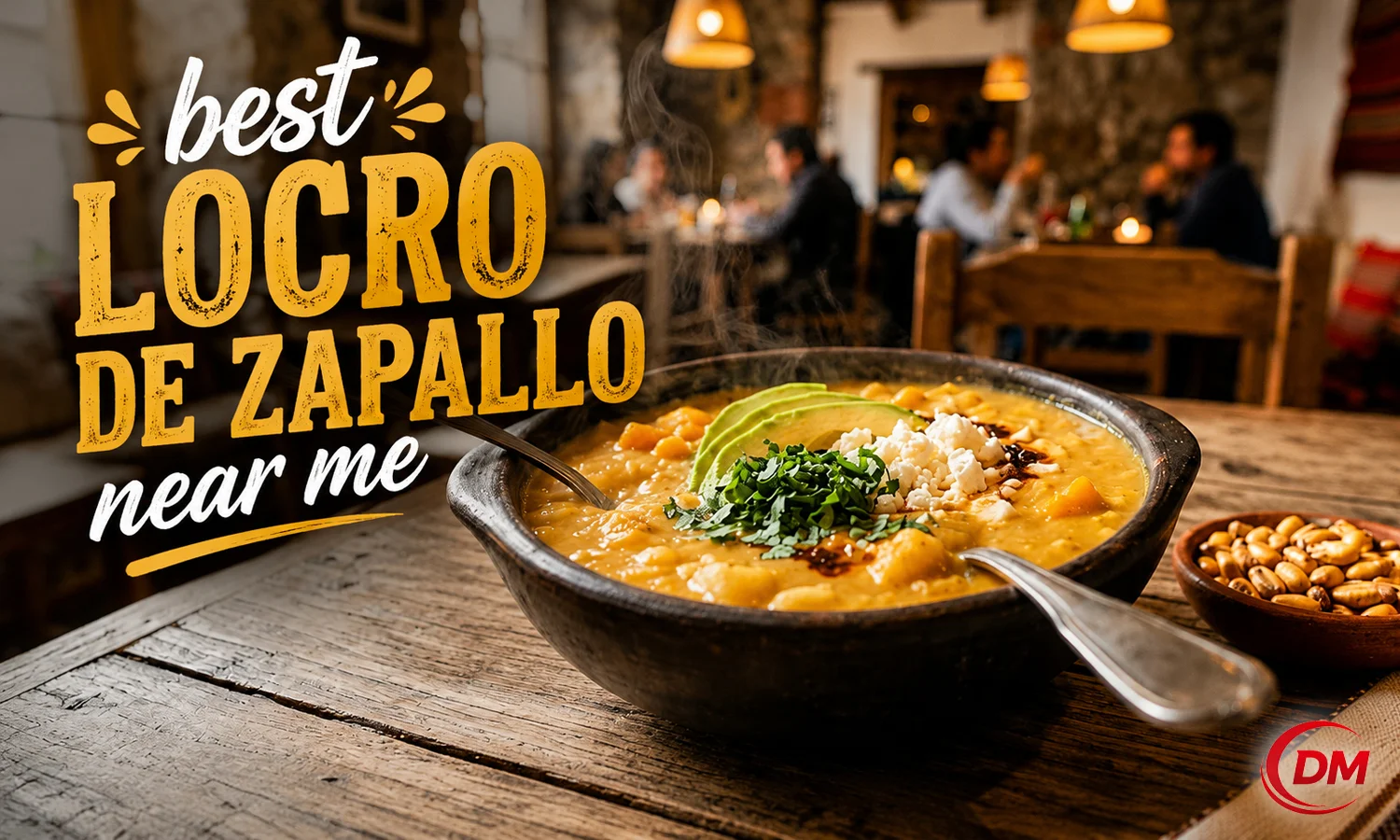
If you have ever searched for the best locro de zapallo near me, you are probably craving something warm, hearty, and deeply comforting. This traditional South American pumpkin stew has become increasingly popular in restaurants, Latin American cafés, and family-owned eateries across the United States. Rich in flavor and rooted in cultural tradition, locro de zapallo delivers a satisfying balance of creamy squash, vegetables, spices, and slow-cooked goodness that appeals to both adventurous food lovers and anyone seeking comfort food with real depth.
Whether you are discovering the dish for the first time or looking for the most authentic version in your area, understanding what makes great locro de zapallo can help you choose the right restaurant and enjoy the full experience. From ingredients and preparation methods to regional variations and dining tips, this guide covers everything you need to know before searching for the best locro de zapallo near me.
What Is Locro de Zapallo?
Locro de zapallo is a traditional pumpkin-based stew commonly associated with countries like Argentina, Peru, Ecuador, and Bolivia. The word “locro” refers to a thick, slow-cooked stew that dates back to Indigenous Andean cuisine. “Zapallo” means squash or pumpkin, which forms the foundation of the dish.
Unlike ordinary pumpkin soup, locro de zapallo is much heartier and more complex. It often includes potatoes, corn, beans, onions, cheese, Best Locro de Zapallo Near Me herbs, and occasionally meat such as chorizo or beef. The result is a rich, creamy, deeply savory dish that reflects generations of culinary heritage.
Many people searching for the best locro de zapallo near me are looking for a comforting meal that feels homemade yet layered with bold flavor. Restaurants that prepare it traditionally often cook the stew slowly to allow the squash and vegetables to develop natural sweetness while absorbing spices and seasonings.
Why Locro de Zapallo Has Become Popular in the United States
Over the past several years, traditional Latin American comfort foods have gained significant popularity throughout the U.S. Diners are increasingly interested in authentic regional dishes rather than generic menu options. Locro de zapallo fits perfectly into this trend because it combines wholesome ingredients with rich cultural history.
Several factors contribute to its growing popularity:
Comfort Food Appeal
The creamy texture and warming flavors make locro de zapallo especially popular during colder months. It offers the same comforting experience people seek from soups, stews, and slow-cooked meals.
Plant-Based Popularity
Many versions of locro de zapallo are naturally vegetarian or can easily be adapted into vegan dishes. Health-conscious diners appreciate the nutrient-rich ingredients, including squash, corn, and legumes.
Authentic Culinary Experiences
Food lovers increasingly seek authentic international dishes. Searching for the best locro de zapallo near me often reflects a desire to explore genuine South American cuisine beyond tacos and empanadas.
Nutritional Benefits
Pumpkin and squash are rich in fiber, vitamins, antioxidants, and minerals. Combined with beans and vegetables, locro de zapallo becomes a balanced and nourishing meal.
What Makes the Best Locro de Zapallo Near Me Stand Out?
Not all locro de zapallo is created equal. Some restaurants prepare quick versions that lack depth, while others honor traditional techniques that produce truly memorable flavor.
Here are the qualities that separate exceptional locro de zapallo from average versions.
Fresh, High-Quality Ingredients
Great locro de zapallo begins with fresh squash or pumpkin. The best restaurants use ripe, naturally sweet varieties that create a creamy consistency without relying heavily on cream or artificial thickeners.
Fresh herbs, onions, garlic, potatoes, and corn also contribute significantly to the final flavor. Some chefs incorporate locally sourced produce to enhance freshness and authenticity.
Slow Cooking Techniques
Traditional locro de zapallo is not rushed. Slow cooking allows the squash to break down naturally and blend with spices and vegetables. This creates a richer texture and deeper flavor profile.
Restaurants known for the best locro de zapallo near me often prepare the dish in large batches over several hours, which develops the stew’s signature richness.
Balanced Flavor
A great bowl of locro de zapallo should balance sweetness, savory depth, creaminess, and subtle spice. The squash should not overpower the dish. Instead, it should work harmoniously with onions, herbs, cheese, or meat components.
Many authentic recipes include cumin, paprika, oregano, and black pepper to create warmth without excessive heat.
Traditional Garnishes
Authentic locro de zapallo is often topped with garnishes that elevate texture and flavor. Common additions include:
Fresh Cheese
Soft white cheese adds creaminess and a slightly salty contrast.
Avocado
Slices of avocado provide richness and freshness.
Crispy Onions
Fried onions contribute crunch and savory depth.
Herbs
Fresh cilantro or parsley brightens the dish.
These finishing touches often distinguish restaurant-quality locro from homemade shortcuts.
Regional Variations of Locro de Zapallo
One reason searches for the best locro de zapallo near me continue growing is the dish’s incredible diversity. Different regions prepare it in unique ways, offering varied flavor experiences.
Argentine Style
Argentine locro tends to be thick and hearty. It often includes beans, corn, squash, potatoes, and meats like chorizo or beef. The stew is commonly enjoyed during national celebrations and cold weather.
Restaurants specializing in Argentine cuisine frequently serve robust versions with smoky, savory flavor.
Ecuadorian Style
Ecuadorian locro de zapallo is usually creamier and lighter. It often includes cheese and avocado, giving the dish a smoother, richer finish.
This version is especially popular in Ecuadorian restaurants throughout major U.S. cities.
Peruvian Style
Peruvian interpretations may include local herbs and spices that create more aromatic flavor profiles. Some versions incorporate yellow chili peppers for mild heat and added complexity.
Bolivian Variations
Bolivian locro sometimes uses larger cuts of vegetables and stronger spice blends. The stew may also contain additional grains or legumes for extra heartiness.
How to Find the Best Locro de Zapallo Near Me
Finding authentic locro de zapallo requires more than simply typing a phrase into a search engine. Several factors can help identify restaurants that truly excel at preparing this traditional dish.
Look for Authentic South American Restaurants
Family-owned Argentine, Ecuadorian, Peruvian, and Bolivian restaurants often prepare locro using traditional methods passed down through generations.
Menus emphasizing regional specialties rather than generalized Latin cuisine are usually more promising.
Read Customer Reviews Carefully
Reviews often reveal whether the locro tastes authentic or overly commercialized. Look for comments mentioning:
- Homemade flavor
- Rich texture
- Authentic seasoning
- Traditional preparation
- Fresh ingredients
When many diners specifically praise the stew, it is usually a positive sign.
Ask About Preparation Methods
Restaurants passionate about traditional cuisine are often happy to explain how they prepare their locro de zapallo. Questions about ingredients, cooking time, and regional inspiration can provide insight into authenticity.
Visit During Seasonal Specials
Some restaurants only serve locro during colder months or cultural celebrations. Seasonal availability often indicates a more authentic approach because the dish is prepared when ingredients are freshest and demand is highest.
Ingredients Commonly Found in Locro de Zapallo
Understanding the ingredients helps diners recognize authentic preparation and flavor.
Pumpkin or Squash
This is the star ingredient. Kabocha, butternut squash, and traditional Latin American pumpkin varieties are commonly used.
Potatoes
Potatoes help thicken the stew and add heartiness.
Corn
Fresh or dried corn contributes sweetness and texture.
Beans
White beans or lima beans are often included for protein and substance.
Cheese
Soft cheeses melt slightly into the stew, adding richness.
Aromatics
Onions, garlic, and herbs create savory depth.
Spices
Cumin, paprika, oregano, and black pepper are commonly used.
Meat Options
Some traditional versions include chorizo, beef, pork, or smoked sausage.
Why Locro de Zapallo Is Ideal for Cold Weather
One reason many people search for the best locro de zapallo near me during fall and winter is the dish’s comforting nature. Thick soups and stews naturally become more appealing during colder temperatures, and locro offers exceptional warmth and nourishment.
The high fiber content from squash and beans helps create lasting fullness, while warm spices provide cozy flavor. Restaurants often promote locro as a seasonal specialty because customer demand increases dramatically during cooler months.
Vegetarian and Vegan Options
Modern restaurants increasingly offer vegetarian and vegan versions of locro de zapallo. Because the dish already relies heavily on vegetables and legumes, adapting it is relatively simple.
Vegan versions may replace cheese with plant-based alternatives or omit dairy entirely while maintaining creamy texture through blended squash and potatoes.
Health-conscious diners searching for the best locro de zapallo near me often appreciate these plant-based adaptations because they retain traditional flavor while meeting dietary preferences.
Nutritional Benefits of Locro de Zapallo
Locro de zapallo is not only flavorful but also highly nutritious.
Rich in Vitamins
Pumpkin and squash contain vitamins A, C, and E, which support immune health and vision.
High in Fiber
Beans, vegetables, and squash contribute dietary fiber that aids digestion.
Balanced Energy
The combination of carbohydrates, healthy fats, and protein creates sustained energy.
Antioxidant Properties
Bright orange squash contains antioxidants such as beta-carotene that help protect cells from damage.
Because of these benefits, locro de zapallo appeals to diners looking for satisfying yet wholesome meals.
Common Mistakes Restaurants Make
Unfortunately, some restaurants cut corners when preparing locro de zapallo. Knowing common mistakes can help diners avoid disappointing experiences.
Over-Blending the Soup
Traditional locro should retain texture from vegetables and beans. Completely pureeing the stew removes character and authenticity.
Excessive Cream
Adding too much cream masks the natural sweetness and flavor of the squash.
Weak Seasoning
Bland locro lacks the warmth and complexity expected from traditional recipes.
Low-Quality Squash
Using watery or flavorless squash results in thin texture and weak taste.
Rushed Cooking
Fast preparation prevents flavors from fully developing.
Pairings That Enhance Locro de Zapallo
The best dining experiences often include complementary side dishes and beverages.
Crusty Bread
Fresh bread pairs beautifully with the creamy stew and helps absorb flavorful broth.
Empanadas
Many South American restaurants serve empanadas alongside locro for a complete meal.
Red Wine
Earthy red wines complement the savory richness of meat-based locro.
Herbal Tea
Traditional herbal teas provide a lighter pairing option.
Rice
Some restaurants serve locro over rice for additional texture and substance.
Best Cities in the U.S. for Authentic Locro de Zapallo
Although locro de zapallo can be found throughout the country, certain cities are known for stronger South American culinary scenes.
Miami
Large Latin American communities contribute to excellent Ecuadorian and Peruvian cuisine.
New York City
Diverse neighborhoods offer authentic Argentine and Bolivian restaurants.
Los Angeles
The city’s multicultural dining scene includes many regional South American specialties.
Houston
Growing Latin American populations have expanded authentic dining options.
Chicago
Traditional family-owned restaurants frequently feature hearty stews and soups.
Searching for the best locro de zapallo near me in these cities often produces exceptional results.
Homemade vs Restaurant Locro de Zapallo
Many people eventually try making locro at home after discovering it in restaurants. Homemade versions offer customization and comfort, but restaurant preparations often benefit from professional techniques and slow-cooking expertise.
Restaurants may also access authentic ingredients that are difficult to find in standard grocery stores. However, homemade locro allows cooks to experiment with spice levels, vegetables, and protein choices.
Both experiences can be rewarding, especially when recipes remain faithful to traditional roots.
FAQs About Best Locro de Zapallo Near Me
What does locro de zapallo taste like?
Locro de zapallo has a creamy, savory flavor with natural sweetness from squash. Depending on the recipe, it may include smoky, spicy, or cheesy notes.
Is locro de zapallo vegetarian?
Many versions are vegetarian, although some include sausage or beef. Vegan versions are also increasingly common.
Which country is locro de zapallo from?
The dish has roots in several South American countries, including Argentina, Ecuador, Peru, and Bolivia.
Is locro de zapallo healthy?
Yes. It contains nutrient-rich vegetables, fiber, vitamins, and antioxidants, making it a wholesome meal option.
When is locro de zapallo usually served?
It is especially popular during colder months and national celebrations in South America.
How do I find the best locro de zapallo near me?
Search for authentic South American Best Locro de Zapallo Near Me eestaurants, read customer reviews, and prioritize places known for traditional cooking methods.
Conclusion
Searching for the best locro de zapallo near me is about more than finding a bowl of soup. It is about discovering authentic culinary tradition, comforting flavor, and a dish deeply connected to South American culture. Whether served in an upscale Latin restaurant or a small family-owned café, great locro de zapallo delivers warmth, richness, and unforgettable satisfaction.
The best versions combine fresh squash, slow-cooked depth, balanced seasoning, and traditional preparation techniques that honor the dish’s heritage. From Argentine meat-based variations to creamy Ecuadorian styles topped with avocado and cheese, locro de zapallo offers incredible diversity for adventurous diners.
