
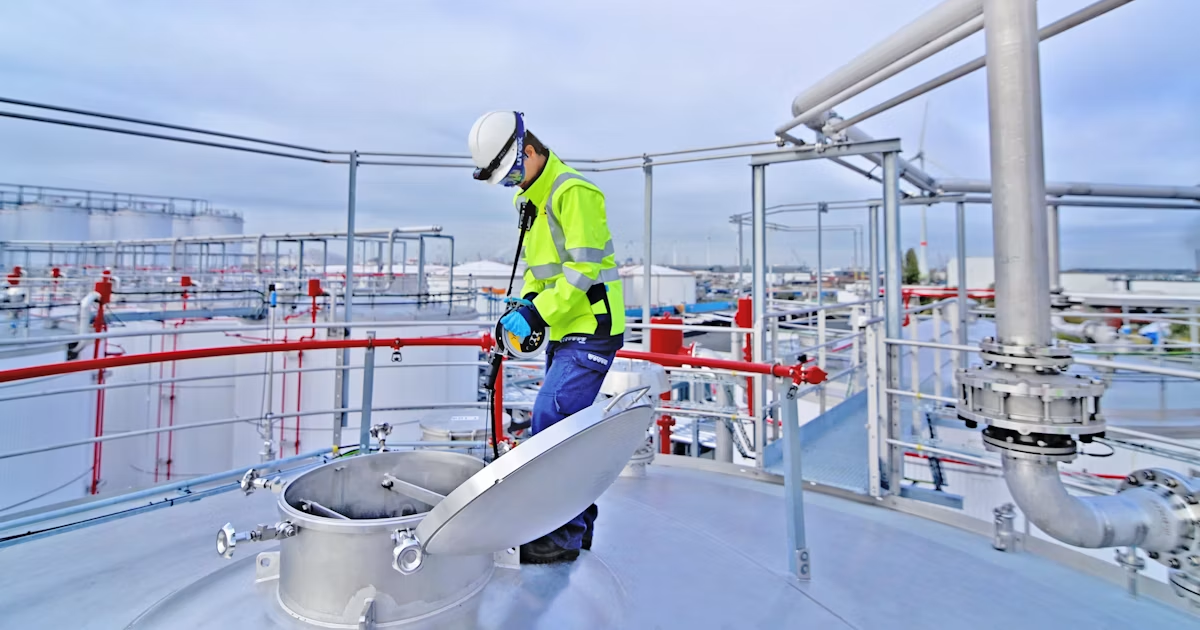
Most people never think about water storage tanks until there’s a problem. If water comes out clean, clear, and safe, the system is basically invisible. But behind that reliability is a lot of inspection, maintenance, and monitoring work that happens quietly in the background.
That’s where water storagetank inspection companies play such an important role. Their job is not just to inspect tanks for structural damage. They help prevent contamination before it becomes a public health issue, and honestly, that responsibility is bigger than many people realize.
Over time, water tanks are exposed to corrosion, sediment buildup, bacteria, moisture intrusion, and environmental exposure. Even a small issue—something as simple as a damaged vent or deteriorating internal coating—can create conditions that affect water quality.
Why Tank Inspections Matter for Water Safety
Contamination Often Starts Small
One of the biggest misconceptions is that contamination only happens when a tank visibly leaks or fails. In reality, problems usually develop gradually.
Sediment can collect at the bottom of tanks. Internal coatings may begin to deteriorate. Tiny openings around hatches or vents can allow contaminants, insects, or moisture into the system. Without regular water storage tank inspection companies services, these issues may go unnoticed for years.
Professional tank inspection companies are trained to identify these early warning signs before they become larger problems.
Structural Integrity Directly Affects Water Quality
Corrosion is one of the most common issues inspectors encounter. As tank surfaces weaken, there’s a greater risk of contamination and operational failure.
Many API 653 tank inspection companies use ultrasonic testing, robotic inspection systems, and coating evaluations to assess internal conditions accurately. These technologies allow inspectors to detect hidden deterioration that cannot be identified during routine visual checks.
And honestly, early detection saves facilities from major repair costs later.
Environmental Inspection Services Add Another Layer of Protection
Environmental Risks Can’t Be Ignored
Modern environmental inspection services focus on more than just the tank itself. Inspectors also evaluate surrounding environmental risks that may impact water systems.
This includes checking for:
- Groundwater contamination risks
- Leakage pathways
- External corrosion caused by environmental exposure
- Drainage or runoff issues around storage areas
Facilities searching for “water tank inspection companies near me” are often focused on compliance, but environmental protection is becoming just as important as operational maintenance.
Choosing the Right Inspection Partner Matters
Not all inspection providers offer the same level of expertise. Experienced water tank inspection servicesproviders understand both structural engineering and water quality concerns. They provide detailed reporting, maintenance recommendations, and long-term inspection planning that helps facilities stay ahead of problems instead of constantly reacting to them.
That proactive approach matters a lot more today than it did even ten years ago.
FAQs
Why are water storage tank inspections important?
They help prevent contamination, identify corrosion, maintain water quality, and ensure tanks remain structurally safe.
What do water tank inspection services include?
Services typically include internal inspections, coating evaluations, sediment checks, corrosion assessment, and detailed reporting.
How often should water tanks be inspected?
Inspection frequency depends on regulations, tank condition, and operating environment, but regular inspections are essential for long-term safety.
What are Environmental Inspection Services?
These services evaluate environmental risks such as leaks, contamination pathways, and surrounding site conditions that may affect water systems.
Why should facilities hire professional tank inspection companies?
Professional inspectors use advanced tools and industry expertise to identify hidden problems early, helping facilities avoid contamination risks and costly repairs.
