
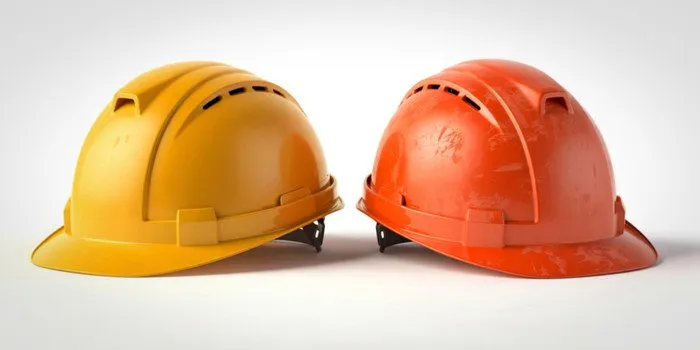
Introduction: Understanding you could be exposed to minor bumps in your job. what class of hard hat will you need to wear?
When evaluating workplace head protection, the question you could be exposed to minor bumps in your job. what class of hard hat will you need to wear? is more important than it first appears. Many workers assume that “minor bumps” are not serious enough to require structured head protection standards, but safety regulations and real-world occupational hazards tell a different story. Even low-level head impacts can lead to injuries, reduced productivity, and long-term complications if the wrong type of protection is chosen.
To properly answer you could be exposed to minor bumps in your job. what class of hard hat will you need to wear?, it is essential to understand how hard hat classifications work, what the differences are between impact types and electrical protection ratings, and how workplace conditions determine the correct safety equipment.
This article breaks down everything in a practical, field-oriented way so you can confidently determine the correct hard hat for your environment.
Understanding the meaning behind you could be exposed to minor bumps in your job. what class of hard hat will you need to wear?
The phrase you could be exposed to minor bumps in your job. what class of hard hat will you need to wear? typically refers to environments where head injuries are not caused by falling heavy objects, but rather by:
- Low-clearance ceilings
- Light contact with fixed structures
- Occasional impact with equipment or machinery
- Movement in tight industrial or warehouse spaces
Even though these hazards may seem minor, occupational safety standards treat head protection seriously because repeated small impacts can still cause concussions, bruising, or long-term strain.
In such environments, selecting the correct hard hat class is about balancing comfort, protection, and compliance. The answer to you could be exposed to minor bumps in your job. what class of hard hat will you need to wear? depends on both impact risk level and electrical exposure risk.
Hard hat classification system explained for you could be exposed to minor bumps in your job. what class of hard hat will you need to wear?
To correctly interpret you could be exposed to minor bumps in your job. what class of hard hat will you need to wear?, you must first understand that hard hats are classified under ANSI/ISEA Z89.1 standards. These are divided into two major categories:
Type I and Type II impact protection
Type I hard hats
Type I hard hats are designed to protect against impacts from the top of the head only. These are the most commonly used in general industry settings.
They are suitable for:
- Construction sites
- Warehouses
- Maintenance work
- Light industrial environments
In many cases of you could be exposed to minor bumps in your job. what class of hard hat will you need to wear?, Type I is the baseline requirement.
Type II hard hats
Type II hard hats provide protection from both top and lateral (side) impacts. These are used in environments where workers may be exposed to falling or swinging objects from multiple angles.
They are suitable for:
- Confined spaces
- Structural steel work
- Tree trimming and forestry
- Complex industrial environments
For most “minor bump” scenarios in you could be exposed to minor bumps in your job. what class of hard hat will you need to wear?, Type II is not always required unless additional side-impact risks exist.
Hard hat electrical classes relevant to you could be exposed to minor bumps in your job. what class of hard hat will you need to wear?
Beyond impact protection, hard hats are also categorized based on electrical hazard resistance. This is a critical part of answering you could be exposed to minor bumps in your job. what class of hard hat will you need to wear? correctly.
Class G (General)
Class G hard hats are designed for general protection and offer dielectric strength up to 2,200 volts.
They are used in:
- Construction
- Light electrical environments
- General industrial work
Class G is often the most balanced option for you could be exposed to minor bumps in your job. what class of hard hat will you need to wear? when electrical hazards are uncertain but possible.
Class E (Electrical)
Class E hard hats provide higher protection, rated up to 20,000 volts.
They are required for:
- Utility work
- High-voltage environments
- Electrical installation and maintenance
For minor bump environments without electrical exposure, Class E is usually unnecessary.
Class C (Conductive)
Class C hard hats provide NO electrical protection but are highly comfortable and well-ventilated.
They are used in:
- Workplaces with no electrical hazard
- Indoor manufacturing
- Mechanical assembly areas
In many interpretations of you could be exposed to minor bumps in your job. what class of hard hat will you need to wear?, Class C is the most suitable when only physical bump protection is required.
Final answer to you could be exposed to minor bumps in your job. what class of hard hat will you need to wear?
When the only hazard is minor bumps, and there is no risk of falling heavy objects or electrical exposure, the most appropriate choice is typically:
Class C hard hat (Type I)
This is because:
- It provides basic impact protection
- It is lightweight and comfortable
- It is designed for environments with low physical hazard severity
- It prioritizes ventilation and usability over electrical insulation
However, if there is even a slight possibility of electrical exposure, then a Class G Type I hard hat becomes the safer and more compliant choice.
Therefore, the practical interpretation of you could be exposed to minor bumps in your job. what class of hard hat will you need to wear? is:
- Class C (Type I) for purely minor bump environments
- Class G (Type I) for mixed or uncertain environments
Workplace scenarios explaining you could be exposed to minor bumps in your job. what class of hard hat will you need to wear?
Understanding real-world applications makes the decision clearer.
Warehouse operations
In warehouses, workers often move through shelving systems and loading zones where head contact with racks or equipment can occur. For you could be exposed to minor bumps in your job. what class of hard hat will you need to wear?, Class C is often sufficient unless forklifts or overhead loading risks exist.
Light manufacturing
Assembly lines typically involve machinery at fixed heights. Workers may experience occasional head contact with equipment frames. Here, you could be exposed to minor bumps in your job. what class of hard hat will you need to wear? is commonly answered with Class C or Class G depending on electrical exposure.
Maintenance work
Technicians working in mechanical rooms or HVAC spaces often deal with tight clearance zones. Even small bumps against pipes or beams justify head protection. In this case, you could be exposed to minor bumps in your job. what class of hard hat will you need to wear? is best answered with a lightweight Class C hard hat.
Safety compliance considerations for you could be exposed to minor bumps in your job. what class of hard hat will you need to wear?
Selecting the right hard hat is not just about comfort—it is about compliance with occupational safety standards.
OSHA requires employers to assess workplace hazards and provide appropriate head protection when risks exist. ANSI/ISEA Z89.1 standards define performance requirements, but employers must determine:
- Type of impact hazard
- Electrical exposure risk
- Duration of exposure
- Frequency of contact risks
In relation to you could be exposed to minor bumps in your job. what class of hard hat will you need to wear?, compliance often leans toward conservative selection—meaning even minor hazards may still require certified head protection.
How to choose the correct option for you could be exposed to minor bumps in your job. what class of hard hat will you need to wear?
A structured decision approach helps ensure safety and compliance:
Step 1: Identify impact level
If hazards are limited to small bumps, Type I protection is sufficient for you could be exposed to minor bumps in your job. what class of hard hat will you need to wear?
Step 2: Evaluate electrical exposure
- No electrical risk → Class C may be used
- Possible electrical risk → Class G required
- High voltage → Class E required
Step 3: Assess workplace mobility
If workers move frequently in tight spaces, lightweight helmets improve compliance and comfort.
Step 4: Confirm regulatory requirements
Always verify employer safety policies aligned with OSHA standards.
FAQs about you could be exposed to minor bumps in your job. what class of hard hat will you need to wear?
What is the safest answer to you could be exposed to minor bumps in your job. what class of hard hat will you need to wear?
The safest answer is usually a Type I Class G or Class C hard hat, depending on whether electrical hazards exist.
Can a bump cap be used instead of a hard hat?
In some low-risk environments, bump caps may be used, but they are not a replacement for ANSI-certified hard hats in regulated workplaces.
Is Class C enough for minor bumps?
Yes, Class C is often sufficient for you could be exposed to minor bumps in your job. what class of hard hat will you need to wear? when there is no electrical hazard.
What happens if I choose the wrong hard hat class?
Incorrect selection can lead to non-compliance, increased injury risk, and potential legal liability for employers.
Conclusion: Final insight on you could be exposed to minor bumps in your job. what class of hard hat will you need to wear?
The question you could be exposed to minor bumps in your job. what class of hard hat will you need to wear? highlights an important principle in workplace safety: even minor hazards deserve proper evaluation and protection. While the risks may seem low, the correct classification ensures both compliance and injury prevention.
In most low-impact environments, a Type I Class C hard hat is appropriate, offering lightweight protection for minor bumps. However, when electrical hazards are present or uncertain, a Class G hard hat becomes the more responsible and compliant choice.
Ultimately, the right answer to you could be exposed to minor bumps in your job. what class of hard hat will you need to wear? depends on a careful balance of impact risk, electrical exposure, and workplace conditions—ensuring safety without unnecessary burden on the worker.
