
A few years ago, remote work still felt like a special arrangement. It was something freelancers did, or something companies allowed on Fridays, or a perk offered by a few modern startups. Then almost overnight, working from home became normal for millions of people. Kitchen tables became desks. Spare bedrooms became offices. Meetings moved to screens. Teams learned to brainstorm, hire, train, manage, and build relationships without always being in the same room.
At first, many people treated remote work as a temporary solution. But time has shown that it is much more than that. Remote work has changed how people think about productivity, communication, hiring, trust, and even the meaning of the workplace itself. The future of work is not simply about whether people sit at home or in an office. It is about how teams collaborate when location is no longer the center of everything.
Digital collaboration is now becoming one of the most important skills for modern businesses. It is not enough to have a laptop, internet connection, and a few apps. The real challenge is learning how to work clearly, creatively, and responsibly across distance. The companies that understand this will have a major advantage. The ones that only try to copy office habits into online spaces may struggle.
Remote Work Is Moving Beyond “Work From Home”
When people hear “remote work,” they often imagine someone answering emails from their living room. But the future is broader than that. Remote work can mean working from home, from a coworking space, from another city, while traveling, or as part of a distributed team spread across different countries and time zones.
This shift matters because it gives both companies and workers more flexibility. A business in London can hire a designer in Lisbon, a developer in Warsaw, a marketing strategist in Yerevan, and a customer support specialist in Manila. Talent is no longer limited to one local area. For workers, this can open doors to better opportunities without needing to move away from family, culture, or community.
But flexibility also needs structure. Without clear expectations, remote work can become messy. People may not know when they are supposed to be online, which tool to use, who owns a task, or how quickly they should respond. That is why the future of remote work will not be built only on freedom. It will be built on freedom plus clarity.
The best remote teams will know how to define working hours, response times, meeting rules, documentation habits, and decision-making processes. In other words, successful remote work is not just about where people work. It is about how well the team is designed.
The Office Will Not Disappear, But Its Purpose Will Change
Some people believe remote work will completely replace offices. Others believe everyone will eventually return to traditional office life. The truth is probably somewhere in the middle.
The office is not dead, but its role is changing.
In the past, the office was the default place where work happened. You went there because your computer, files, phone, manager, and colleagues were there. Today, many of those things live online. That means the office has to offer something more meaningful than just a desk.
In the future, offices may become places for connection, culture, training, brainstorming, and important team moments. People may come in for workshops, planning sessions, client meetings, creative collaboration, or social events rather than everyday individual tasks.
This is why hybrid work is becoming so common. Many teams do not want to lose the human energy of being together, but they also do not want to give up the flexibility of remote work. Hybrid models can work well, but only when they are intentional. If some people are in the office and others are remote, companies need to make sure remote workers are not treated as second-class participants.
A good hybrid meeting, for example, does not simply place a laptop at the end of a conference table and hope everyone can hear. It requires thoughtful facilitation, good audio, shared documents, clear agendas, and equal space for people who are not physically present.
The future office may be less about attendance and more about purpose.
Digital Collaboration Requires Better Communication
Remote teams live and die by communication. In an office, people can rely on small signals. You can walk over to someone’s desk, notice if they are stressed, quickly clarify a question, or catch a misunderstanding before it grows. In remote work, those signals are weaker. That means communication has to become more deliberate.
This does not mean more messages or more meetings. In fact, remote teams often suffer when communication becomes too noisy. Constant notifications can make people feel busy without helping them do meaningful work.
Better communication means knowing what should be said, where it should be said, and how much detail is needed.
A quick question might belong in a chat tool. A project decision should probably be written in a shared document. A complex issue may need a video call. A process update may be better as a recorded explanation that people can watch later. Teams that choose the right format save time and reduce confusion.
Writing also becomes more important in remote work. Clear written updates help people understand what happened, what changed, and what needs to happen next. A well-written project brief can prevent five unnecessary meetings. A clear task description can save hours of back-and-forth messages.
The future belongs to teams that communicate with intention, not volume.
Async Work Will Become a Competitive Advantage
One of the biggest changes in digital collaboration is the rise of asynchronous work. Async work means people do not always need to be online at the same time to make progress.
This is especially important for global teams. If one person is in New York and another is in Singapore, forcing everyone into constant live meetings is exhausting and inefficient. Async collaboration allows people to contribute when they are at their best, not just when the calendar says they must be available.
For example, instead of holding a one-hour meeting to explain a new process, a manager can write a clear document or record a short walkthrough. Team members can read or watch it when their day begins, leave comments, ask questions, and move forward. This reduces meeting fatigue and gives people more time for focused work.
Async work also helps introverts, deep thinkers, caregivers, and people who work better with time to reflect. Not everyone does their best thinking in a live meeting. Some people contribute better when they can process information and respond thoughtfully.
Of course, async work does not mean avoiding real-time conversation completely. Some topics still need live discussion, especially sensitive conversations, urgent decisions, conflict resolution, and creative sessions where quick energy matters. The key is balance.
The strongest teams will know when to meet and when not to.
Technology Will Become More Human-Centered
The tools used for remote work have improved quickly. Video conferencing, project management platforms, shared documents, cloud storage, digital whiteboards, team chat, time tracking, and automation tools are now part of everyday work.
But the future is not about using more tools. It is about using better tools more thoughtfully.
Many teams already suffer from tool overload. One conversation happens in Slack, another in email, a task is assigned in Trello, the file is in Google Drive, the deadline is in Notion, and the final decision is buried in a meeting recording. This creates confusion, even when every tool is useful on its own.
The next stage of digital collaboration will focus on simplicity. Teams will ask: Which tools actually help us work better? Which ones create unnecessary noise? Where should information live? How can we make work easier to find, understand, and complete?
Artificial intelligence will also play a growing role. AI can summarize meetings, draft messages, organize notes, translate content, generate ideas, and help teams move faster. But AI will not replace the need for human judgment. If anything, it will make judgment more important. Teams will need to decide what should be automated, what should remain personal, and how to use technology without losing trust or creativity.
The most successful companies will not be the ones with the most advanced tools. They will be the ones that use technology to support human work, not overwhelm it.
Visual Communication Will Matter More
Remote work has made one thing clear: text alone is not always enough. Sometimes people need to see an idea to understand it.
That is why visual communication is becoming more important in digital collaboration. Teams now use screenshots, diagrams, short videos, slide decks, screen recordings, digital whiteboards, and visual workflows to explain ideas faster.
Imagine a designer trying to describe a layout change in a long message. It might take several paragraphs and still be unclear. A quick annotated screenshot could explain it in seconds. Or think about a manager onboarding a new employee. A written guide is useful, but a short screen recording can make the process feel much easier.
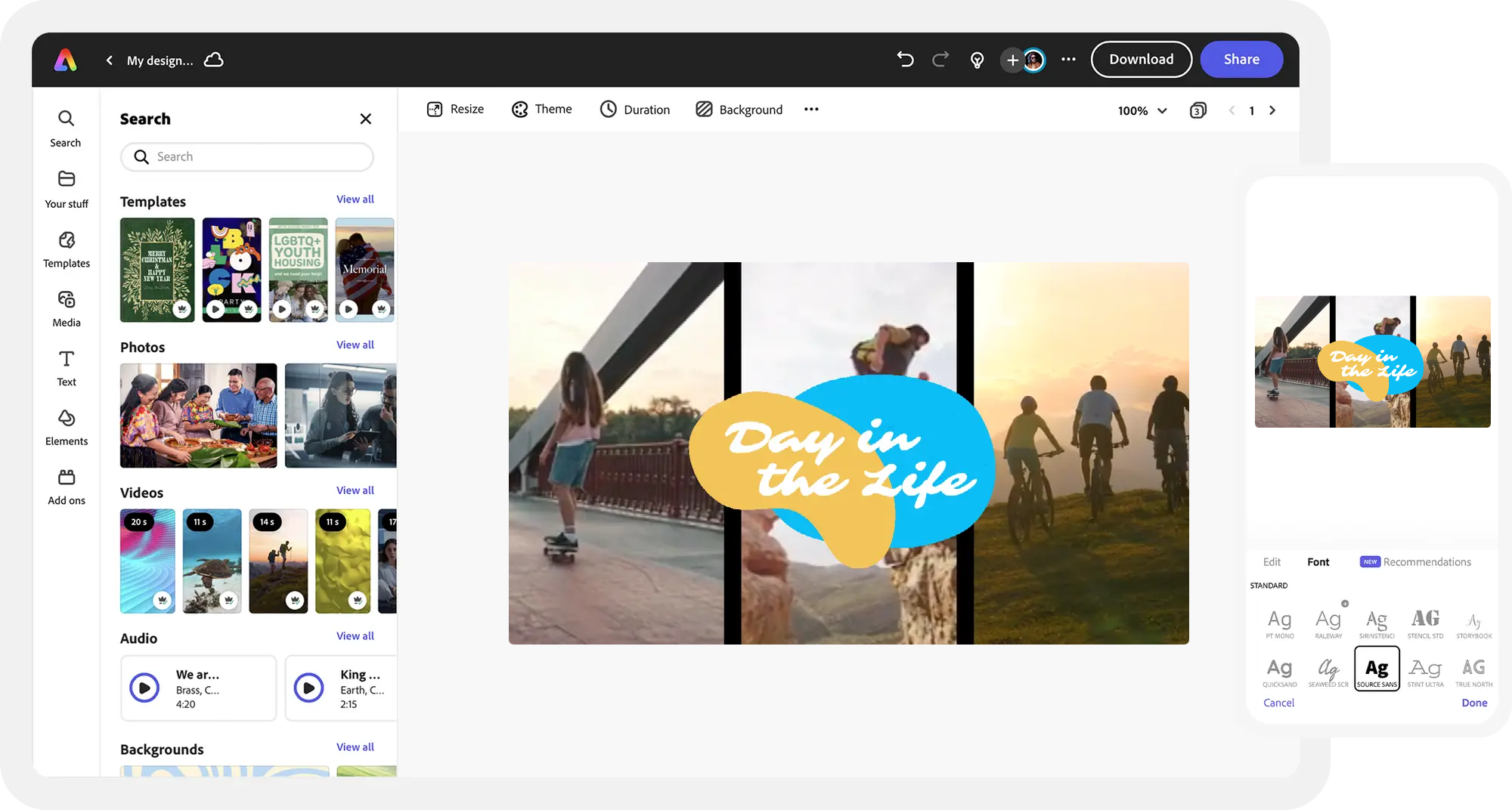
This is also where video is becoming a practical everyday tool, not just a marketing format. Teams can create video updates, training materials, product walkthroughs, internal announcements, and client explanations without needing a full production team. For example, a small company might use a simple tool to create video instructions for new remote employees, helping them understand workflows without scheduling another meeting.
Visual communication reduces friction. It helps people learn faster, remember better, and feel more connected when they cannot be in the same room.
Trust Is the Foundation of Remote Work
Remote work forces companies to rethink trust. In traditional offices, some managers measured productivity by visibility. If someone was at their desk, they seemed productive. But being visible is not the same as doing meaningful work.
In remote teams, managers cannot rely on watching people. They need to focus on outcomes. Is the work getting done? Are deadlines being met? Is the quality strong? Are people communicating clearly? Are customers or clients being served well?
This shift can be healthy. It encourages companies to care more about results than appearances. It also gives employees more autonomy, which can improve motivation and satisfaction.
But trust goes both ways. Employees also need to be reliable. Remote freedom does not work if people disappear, miss deadlines, communicate poorly, or leave teammates guessing. A high-trust remote culture depends on accountability.
Good remote teams make work visible without turning people into surveillance targets. They use shared project boards, clear goals, regular updates, and transparent documentation. People know what others are working on, not because they are being watched, but because the system makes progress easy to see.
The future of work will require leaders who can manage through clarity, empathy, and accountability rather than control.
Company Culture Will Need to Be Designed
Many companies used to believe culture happened naturally in the office. People chatted in hallways, ate lunch together, celebrated birthdays, and learned from each other by being nearby.
Remote work changes that. Culture still exists, but it needs more intention.
A remote culture is shaped by how people communicate, how decisions are made, how feedback is given, how meetings are run, how conflicts are handled, and how people are recognized. Small habits matter. Does the team respect quiet hours? Are new employees welcomed properly? Do people feel safe asking questions? Are achievements celebrated? Do managers notice burnout before it becomes serious?
Remote culture also needs moments of human connection. Not every call has to be strictly transactional. Sometimes people need space to talk, laugh, share personal updates, or simply feel like they belong. This does not mean forcing awkward virtual parties every week. It means creating genuine opportunities for connection.
Companies may also invest more in occasional in-person gatherings. A remote-first team might meet once or twice a year for planning, bonding, and creative work. Those moments can strengthen relationships that make online collaboration smoother later.
Culture is not a location. It is a pattern of behavior. Remote teams that understand this will build stronger workplaces than companies that simply hope culture survives on its own.
Remote Work Will Change Career Growth
The future of remote work will also affect how people grow in their careers. In an office, career opportunities often came from being noticed. You might get invited into a conversation, build relationships casually, or receive informal mentorship just because you were nearby.
Remote work can make that harder, especially for younger employees or people new to an industry. Companies need to be careful that remote workers still get visibility, feedback, mentorship, and opportunities to advance.
At the same time, remote work can create new advantages. People can build careers across borders. They can join companies that were previously out of reach. They can create portfolios, personal brands, and professional networks online. A talented person no longer has to live in a major city to access meaningful work.
For individuals, the key is to become more proactive. Remote workers need to communicate achievements, ask for feedback, document their work, build relationships intentionally, and keep learning. Waiting quietly to be noticed may not be enough.
For companies, the responsibility is to make growth paths clear. Promotions, mentorship, training, and leadership opportunities should not depend on who happens to be physically closest to decision-makers.
The Future Is Flexible, But Not Effortless
Remote work is not perfect. It can be lonely. It can blur the line between work and personal life. It can create communication gaps, time zone stress, meeting overload, and burnout. Some people miss the energy of an office. Others struggle to unplug when their home is also their workplace.
That is why the future will not be about remote work at any cost. It will be about better work design.
People need boundaries. Teams need clear systems. Managers need training. Companies need to listen to employees instead of assuming one model fits everyone. Some roles may work best remotely. Others may need in-person collaboration. Some employees may love working from home. Others may prefer a hybrid routine.
The best future will be flexible enough to recognize these differences.
Remote work is not simply a trend. It is part of a larger shift toward more adaptable, digital, human-centered work. But flexibility only works when it is supported by communication, trust, structure, and care.
Conclusion
The future of remote work and digital collaboration is not about replacing the office with a laptop. It is about rethinking how people work together when location is no longer the main rule.
The strongest teams will be the ones that communicate clearly, use technology wisely, build trust, respect focus time, and create culture with intention. They will know when to meet live and when to work asynchronously. They will use visual tools, written documentation, and thoughtful systems to make collaboration easier, not more complicated.
For workers, this future brings more freedom but also more responsibility. For businesses, it opens access to wider talent but demands better leadership. For everyone, it is an opportunity to build a healthier, smarter way of working.
Remote work is still evolving. The companies and individuals who treat it as a chance to improve work, rather than simply move it online, will be the ones who thrive.
